Carleth Tokyo Marathon

🗼 THE TOKYO MARATHON: WHAT TO EXPECT

Navigating pre-race and race-day logistics at the Tokyo Marathon can feel overwhelming, especially if you’re coming from a Western country and it’s your first time in Japan. Tokyo isn’t just another marathon. It’s part cultural immersion, part logistical puzzle, and 100% unforgettable.

Whether you’re chasing a PR, a Six Star medal, or simply soaking up the experience, here’s everything you need to know to make Tokyo Marathon 2026 (March 1st) as smooth and enjoyable as possible.

✨ THE EXPO: SOAK IT ALL IN!

📍 Location: Tokyo Big Sight (South Exhibition Halls), Ariake
📅 Dates: Thursday to Saturday, February 26–28, 2026

It’s one of the most beautiful marathon expos I’ve ever been to. It’s incredibly accessible and extremely well organized. I’d skip the big brand booths and head straight to the local vendors. Exploring how Japanese runners fuel and hydrate is a mind-blowing experience.

What to know before you go:

  • Bib pickup is in person only. Bring your passport.
  • You’ll receive:
    • Your bib
    • A wristband (this is your golden ticket, keep it on until after the race)
  • If you’re a charity runner, head straight to the charity booths before entering the Expo. Your organization might have a little surprise waiting for you: a race T-shirt, a goodie bag, and sometimes even a subway card!
  • Official merch is available, but race jackets sell out FAST, sometimes on the first day. If you want one, go early or don’t count on your size being there.

💡 Pro tip: If you can’t be there early Thursday, team up with another runner who can — and have them grab the jacket for you.

🧾 YOUR BIB: COLORS, NUMBERS & WHY THEY MATTER

Your bib in Tokyo is not just a number, it’s a roadmap. Here’s what it tells you:

  • 🎨 Bib color → this matters at the finish, because baggage pick-up zones are color-coded. Follow your bib color after you finish. 
  • 🧳 Bag check → only available if you selected (and paid for) it during entry. You can’t add it later. 
  • 🚦 Start gate / corral → you’re assigned a gate + corral and starting in a different one can get you disqualified. 

And here’s the Tokyo-specific detail people miss:

  • 🔢 Last digit of your bib number → in recent Tokyo races, this is used at aid stations to assign you to a numbered table/zone (you’ll see signs like “0–3” or “4–6,” etc.). It’s Tokyo’s way of keeping water stops moving.

📌 Pro tip: When the Runner Handbook drops (mid-Feb), screenshot the page that explains the aid station system and save it to your phone. That one detail can save you minutes of chaos.

🚆 GETTING AROUND TOKYO: THE TRAIN SYSTEM (YES, IT’S A LOT)

Tokyo’s public transport is amazing… and confusing. Here’s why:

  • There are multiple train systems, and some are slower than others.
    • JR Lines
    • Tokyo Metro
    • Toei Subway
    • Private railways
  • Switching systems can mean different gates, platforms, or tickets

💳 Get a Suica or PASMO card in your phone Wallet.
It works across all systems and will save your sanity.

🚨 Shinjuku Station is massive.
Do a test run to the start area the day before. Do not “wing it” on race morning.

🚦 RACE MORNING: START LINE LOGISTICS

⏰ Start time:

  • Wheelchair race: 9:05 AM
  • Marathon: 9:10 AM

📍 Start area: Shinjuku
🚉 Closest stations: Shinjuku Station & Nishi-Shinjuku Station

What to expect race morning:

  • You’ll be guided by gate numbers, follow signage carefully
  • Security is tight and extremely organized
  • Universal changing rooms are available (but arrive extra early)
  • There are plenty of porta potties

🧘‍♀️ The vibe is calm, quiet, and respectful, very different from NYC or Chicago. Don’t expect chaos. Bring your own hype.

💧 HYDRATION & FUELING ON COURSE

Tokyo is strict and precise.

  • Aid stations. There are 15 aid stations along the course.
  • Table numbers. Each station has tables numbered 0–9. Use the table matching the last digit of your bib.
  • What’s offered. Stations provide water and sports drink; fruit and snacks appear later. Elite runners have a personal‑drink table.
  • Own fuel. Hydration packs are banned, but you can bring small bottles (non‑glass) under 250 ml. Dispose of cups in the bins provided; Tokyo recycles them into toilet paper.

💡 This is not the race to experiment. Know what’s on course and plan accordingly.

🗺️ THE COURSE: FAST, FLAT & CULTURAL

You’ll run through historic neighborhoods, modern districts, and long, wide roads that make it easy to accidentally go out too fast. Tokyo’s course is known for being:

  • Flat
  • Fast
  • Well-managed

But it’s also very strict about course management.

✅ Overall time limit: 7 hours (gun time). Start 9:10 a.m., course closes at 4:10 p.m. 

⚠️ And yes! There are checkpoint cutoffs. If you’re significantly behind the cut-off pace, you may be asked to leave the course. 

Here are the official provisional checkpoints + cutoffs for Tokyo Marathon 2026(gun time based on 9:10 a.m. start): 

  • 4.9 km â€” 10:25
  • 11.3 km â€” 11:10
  • 15.4 km â€” 11:55
  • 20.9 km â€” 12:45
  • 24.7 km â€” 13:20
  • 29.2 km â€” 14:00
  • 33.5 km â€” 14:35
  • 37.8 km â€” 15:15
  • Finish (42.195 km) â€” 16:10

So… what’s the slowest pace you can run?

If you only looked at the final cutoff, the slowest average pace to finish in 7 hours is about:

  • ⏱️ ~9:57 min/km (≈ 16:01 min/mile

BUT (and this is important) those early checkpoints are the ones that catch people off guard. The first cutoff at 4.9 km is generous, but after that, you’ll want to stay aware of your progress relative to the clock. 

📌 Reality check: Because Tokyo uses waves and not everyone crosses the start line at 9:10, runners in later waves effectively have less cushion vs the published “gun time” schedule. So don’t plan to use every second of the 7 hours.

🏅 THE FINISH LINE: ORGANIZED TO THE END

Once you cross the finish line:

  • You’ll be guided through a very structured flow
  • You’ll receive your medal 🎖️, a very interesting goodie bag and the iconic Tokyo Marathon poncho.
  • You’ll be directed to:
    • Baggage pickup (based on bib color)
    • Changing rooms (universal, inclusive)
  • Family meeting areas are limited and not available for the marathon finish, so plan ahead

💡 FINAL THOUGHTS

Tokyo Marathon is not chaotic. It’s not loud. It doesn’t hold your hand emotionally. But it is precise, respectful, and unforgettable.

If you:

  • Read the handbook
  • Respect the logistics
  • Trust the process

Tokyo will reward you with one of the most unique marathon experiences in the world.

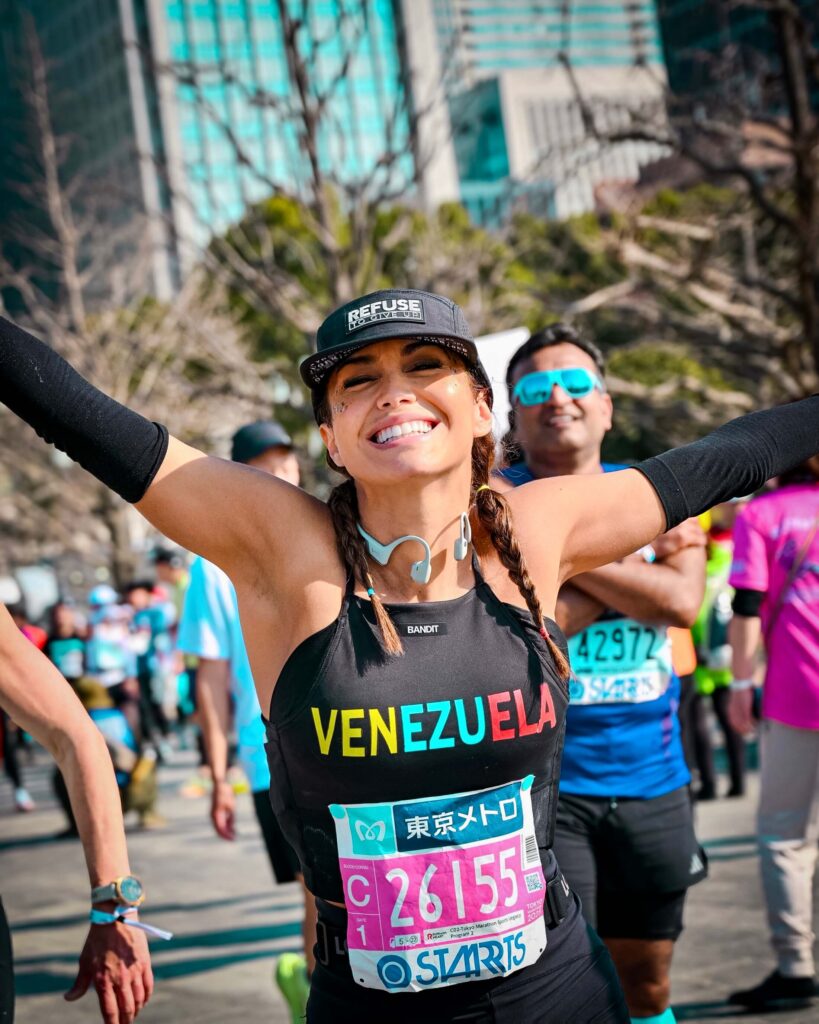
Run smart. Stay patient. And don’t forget… Refuse to Give Up 🧢💪

— Carleth

share this Post:

More tips?

Stay on Track with Carleth

Subscribe to our monthly newsletter for expert training tips, recovery advice, and race-day strategies—delivered straight to your inbox.